

HAWAII CAN’T AFFORD TO WAIT
Sports betting is already happening in Hawaii. The question is whether we regulate it or let the illegal market continue unchecked.
Right now, residents are placing bets through illegal sites and unlicensed bookies that offer no consumer protections, no responsible gaming standards, and no accountability.
Every dollar wagered on the unregulated market is a dollar lost to bad actors instead of Hawaii communities. Legalization would capture that revenue and direct it toward education, UH Manoa athletics, and more without raising taxes.
73% of Hawaii residents support legalization. They believe responsible adults should be able to place a legal sports wager, and they want the state of Hawaii to benefit when they do.
PROTECT HAWAII CONSUMERS
Licensed and regulated operators are held to strict standards for security, transparency, and responsible gaming. The illegal market puts Hawaii residents’ money and personal information at risk, with zero accountability or oversight.
KEEP TAX DOLLARS IN HAWAII
A regulated market creates new revenue for education, UH Manoa athletics, the Hawaii Employees Lifeline Program, and problem gambling prevention and treatment, instead of funneling money to illegal sites and bookies. These untaxed and unregulated operators offer no benefit to local communities.
ENSURE PERSONAL FREEDOM
Responsible adults deserve the right to enjoy a recreational activity on their own terms. Sports betting is part of the game-day experience for millions of Americans. Hawaii residents should be able to spend their hard-earned money the way they choose.
Illegal sports betting hurts Hawaii Consumers
Legal and regulated online sports betting offers a safe alternative to the illegal marketplace, which continues to flourish in states that haven’t yet legalized online sports betting.
Experts estimate customers spend tens of billions on the illegal sports betting market each year, depriving state and local governments of significant tax revenue. These unregulated sports betting sites offer no consumer protections, age verification, or responsible gaming protections. Illicit market users also routinely fall victim to scams and find themselves unable to remove funds from their accounts.
LAtest News

Hawaii lawmakers will again evaluate the legalization of online sports betting, as companion bills have been introduced in both the Senate and House

Mike Lambert, director of the state Department of Law Enforcement, told fellow panel members that a roughly estimated $700 million to $800 million a year flows through illegal gambling enterprises statewide, largely in illicit game rooms where drug dealing, armed robberies and other criminal activity occurs

IRS Chief Guy Ficco urged those who sports bet to use reputable online big platforms, do research about where people deposit their money and be cautious

Data from the Progressive Policy Institute shows “no sign of a tidal wave of bankruptcies or consumer credit downgrades in states that were early adopters of mobile sports betting.

BBB study finds consumers confused, upset amid hundreds of unlicensed and unverified casinos and sportsbooks
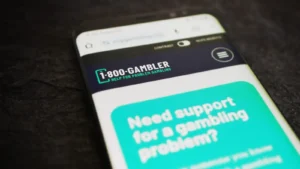
The levels of risky gambling behavior in 2024 were down to almost the same level as 2018, showing about a 27% decrease from a spike in 2021

Hawaii has the chance to get sports betting right by following the example of many mainland states in creating a strictly regulated and transparent sports betting market that can provide revenue for the state and protections for players